
Menopause, muscle and metabolism: understanding body composition

Many women going through perimenopause and menopause reach their late forties and fifties, feeling as though their bodies have become unfamiliar to them. The same diet and exercise habits that kept their weight stable for years suddenly seem to stop working. Weight begins accumulating around the abdomen, clothes fit differently, and exercise that once felt manageable becomes harder to recover from. For many women, this can be both confusing and deeply frustrating.
The age-old mantra of “eat less and exercise more” often feels like the only viable option. Breakfast gets skipped, coffee replaces food and exercise volume increases in an attempt to offset the changes. Yet despite putting in more effort than ever, many women still find themselves feeling softer, more fatigued and increasingly frustrated with their body.
There are genuine physiological reasons for this. The transition through perimenopause and menopause brings significant changes in hormone signalling that influence muscle mass, insulin sensitivity, recovery, energy production and ultimately body composition.
In this article, we will explore why these changes occur, the role hormones such as oestrogen and cortisol play in metabolism and recovery, and why chronic restriction, excessive cardio and under-fuelling often leave women feeling worse rather than helping them achieve the body composition changes they are looking for.
What is happening during perimenopause and menopause?
Perimenopause is the transition leading into menopause, and for many women, it can begin several years before their final menstrual period. During this time, hormone production becomes increasingly erratic before gradually declining, creating hormonal, neurological and metabolic changes that affect multiple systems throughout the body.
Progesterone is often one of the first hormones to decline as ovulation becomes less consistent during the early stages of perimenopause. Through its interactions with GABA pathways, progesterone has calming effects on the brain and nervous system. As levels fall, many women notice a deterioration in sleep quality, often alongside hot flushes, night sweats, increased anxiety, a greater sense of overwhelm and, in some cases, changes in gut function.
Oestrogen production, on the other hand, often continues in a more unpredictable and fluctuating pattern as ovarian function gradually changes. It is commonly regarded as a reproductive hormone, yet its influence extends far beyond fertility and the menstrual cycle. It plays important roles in insulin sensitivity, metabolic health, appetite regulation, nervous system function, muscle maintenance and body composition. Like progesterone, oestrogen also interacts closely with the body’s stress response systems and influences mast cell and histamine signalling, helping to explain why many women find themselves feeling more anxious, reactive or overwhelmed during the menopausal transition.
As hormone levels fluctuate and eventually decline, changes in muscle mass, recovery, energy production and metabolic health can begin to emerge. It is this combination of hormonal, neurological and metabolic change that helps explain why so many women feel as though the old rules around diet and exercise no longer seem to work during the menopausal transition (NAMS, 2022).
Understanding how these hormonal changes influence the body’s stress response provides important context when discussing cortisol and its role in menopause.
The cortisol conversation
Cortisol is often spoken about as though it is inherently harmful, yet it is essential for survival. Under healthy conditions, it follows a circadian rhythm, rising in the morning to help wake the body and gradually declining later in the day. It plays important roles in energy production, blood sugar regulation, blood pressure and the body’s ability to respond appropriately to stress.
One of the more common patterns reported during the menopausal transition is feeling simultaneously exhausted and overstimulated. Many women find themselves waking during the early hours of the morning, unable to get back to sleep, struggling with a persistent tired-but-wired feeling and noticing that everyday stresses seem to affect them far more than they once did.
Cortisol also plays an important role in maintaining energy availability and blood sugar balance. When the body requires additional energy, cortisol helps mobilise stored fuel to ensure normal physiological function can continue. Whilst this response is entirely appropriate in the short term, persistent activation of these pathways can begin to influence insulin sensitivity, appetite regulation and even quality of sleep.
This becomes particularly relevant when women respond to changes in body composition by eating less while increasing cardio. Whilst these strategies may once have appeared effective in their twenties and thirties, many women find they become increasingly counterproductive during the menopausal transition. The hormonal terrain has fundamentally shifted, and the age-old mantra of “eat less and move more” fails to account for the physiological changes affecting muscle mass, recovery, appetite regulation and metabolic health.
High-intensity exercise, inadequate protein intake, excessive fasting and chronic stress, whether psychological, physical or environmental, can all contribute to the overall stress burden. Many women find themselves trapped in a cycle of fatigue, cravings, impaired recovery, reduced exercise tolerance and increasing difficulty changing body composition despite putting in more effort than ever.
Caloric restriction
When a woman tries to eat less through willpower alone, the body does not always cooperate. Hunger signalling and cravings often persist, making appetite regulation progressively more difficult. During perimenopause and menopause, this can become particularly problematic because prolonged under-fuelling impairs recovery, compromises muscle maintenance and alters the way energy is allocated throughout the body.
The hypothalamus, a region of the brain involved in regulating energy balance, continuously monitors incoming energy and nutrient availability. If calorie intake remains too low for prolonged periods, the body may begin prioritising energy conservation, and some women find they are no longer responding to exercise in the way they once did (Mountjoy et al., 2018).
Muscle plays a major role in blood sugar regulation, metabolic health and energy expenditure. Unfortunately, declining oestrogen can make it increasingly difficult for women to maintain lean muscle mass. During menopause, the body also becomes less responsive to smaller exercise stimuli and lower protein intakes, a phenomenon often referred to as anabolic resistance (Phillips, 2017).
All of these changes help explain why chronic dieting, excessive cardio and long-term under-fuelling frequently fail to improve body composition in the way they once did. During perimenopause and menopause, the focus often needs to move beyond simply eating less and exercising more. Preserving muscle, supporting recovery and providing the body with the resources required to adapt become increasingly important.
Resistance training and protein
During and after menopause, maintaining muscle often requires a more deliberate approach than it did previously, making adequate protein intake increasingly important (Phillips, 2017; Sims & Heather, 2018). Research suggests many women may benefit from protein intakes in the region of 1.2-2.0g per kilogram of body weight per day to help support muscle maintenance and healthy ageing (Bauer et al., 2013; Phillips, 2017; Jäger et al., 2017).
Many women also benefit from prioritising protein earlier in the day rather than relying solely on coffee to get through the morning. Eating within the first 60-90 minutes of waking may help support energy regulation and provide a more stable foundation for the day ahead.
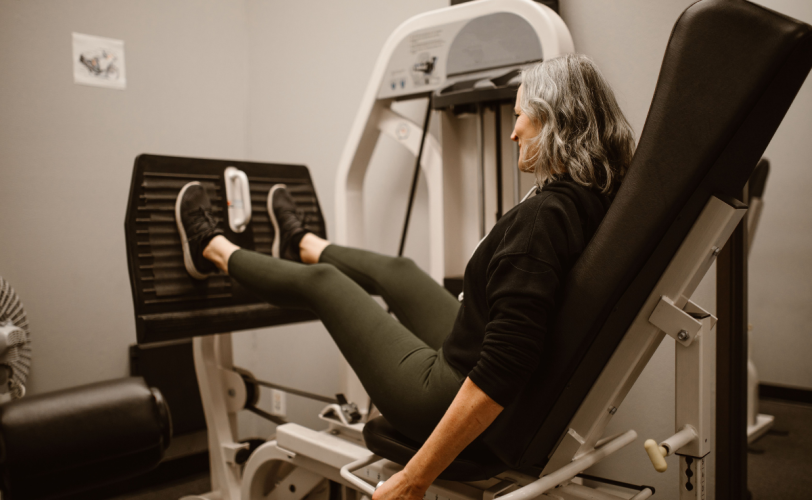
Resistance training also becomes increasingly important. The goal is not necessarily lifting weights beyond a woman’s capability, but providing sufficient stimulus to preserve muscle, maintain bone density and encourage adaptation. This often means progressively increasing resistance over time and prioritising strength-based exercise rather than relying exclusively on longer periods of cardio.
Progressive resistance training remains one of the most effective tools available for supporting body composition, strength and long-term metabolic health during and after menopause (Phillips, 2017).
Women are often surprised by how much stronger, more physically capable and more metabolically stable they begin to feel once resistance training and adequate protein intake become a consistent part of their routine.
The menopausal transition brings physiological changes that influence metabolism, muscle maintenance, recovery and body composition. As hormone levels fluctuate and eventually decline, many women discover that eating less, exercising harder and relying on the habits that served them well for decades no longer feel sustainable or effective.
Maintaining muscle becomes increasingly important during this stage of life. Adequate protein intake, appropriate resistance training, good sleep and sufficient recovery all help support metabolic health, physical function and long-term resilience.
If you are struggling with symptoms of perimenopause or menopause, seeking appropriate professional support can help you better understand your options and develop a personalised approach to improving health and long-term wellbeing.
References
North American Menopause Society (NAMS) (2022) - The 2022 Hormone Therapy Position Statement of The North American Menopause Society. Comprehensive guidance on menopause, hormone therapy, symptom management, bone health and cardiovascular considerations during the menopausal transition. Published in Menopause.
Sims, S.T. & Heather, A.K. (2018) - Myths and Methodologies: Reducing Scientific Design Ambiguity in Studies Comparing Sexes and/or Menstrual Cycle Phases. Discusses female physiology, hormonal fluctuations, exercise performance and energy availability considerations across the female lifespan. Published in Experimental Physiology.
Mountjoy, M., Sundgot-Borgen, J., Burke, L., Ackerman, K.E., Blauwet, C., Constantini, N., Lebrun, C., Lundy, B., Melin, A., Meyer, N., Sherman, R. & Budgett, R. (2018) – IOC Consensus Statement on Relative Energy Deficiency in Sport (RED-S): 2018 Update. Describes the physiological consequences of low energy availability on endocrine, metabolic, reproductive and musculoskeletal health. Published in British Journal of Sports Medicine.
Phillips, S.M. (2017) - Current Concepts and Unresolved Questions in Dietary Protein Requirements and Supplements in Adults. Reviews protein requirements, ageing, muscle maintenance and anabolic resistance. Published in Applied Physiology, Nutrition and Metabolism.
Bauer, J., Biolo, G., Cederholm, T., Cesari, M., Cruz-Jentoft, A.J., Morley, J.E., Phillips, S., Sieber, C., Stehle, P., Teta, D., Visvanathan, R., Volpi, E. & Boirie, Y. (2013) - Evidence-Based Recommendations for Optimal Dietary Protein Intake in Older People. Provides guidance on protein intake for preserving muscle mass and function with ageing. Published in Journal of the American Medical Directors Association.
Jäger, R., Kerksick, C.M., Campbell, B.I., Cribb, P.J., Wells, S.D., Skwiat, T.M., Purpura, M., Ziegenfuss, T.N., Ferrando, A.A., Arent, S.M., Smith-Ryan, A.E., Stout, J.R., Arciero, P.J., Ormsbee, M.J., Taylor, L.W. & Kalman, D.S. (2017) - International Society of Sports Nutrition Position Stand: Protein and Exercise. Reviews protein requirements for health, performance, recovery and body composition. Published in Journal of the International Society of Sports Nutrition.
Candow, D.G., Chilibeck, P.D., Facci, M., Abeysekara, S. & Zello, G.A. (2021) – Benefits of Creatine Supplementation for Older Adults and Women Across the Lifespan. Reviews the role of creatine in muscle function, cognition, healthy ageing and female physiology. Published in Nutrients.

Find the right nutritionist for you
All nutrition professionals are verified