Eating for premenopause: Nourishing the body through change

Premenopause (often referred to as perimenopause) is a natural life phase that typically begins in the mid-to-late 30s and can extend into the 40s. During this transition, hormonal patterns begin to shift – especially estrogen, progesterone, and, gradually, insulin sensitivity. These changes can influence metabolism, appetite, body composition, mood, and sleep.

Nutrition cannot fully control hormones, but strategic dietary choices can support energy, digestive health, blood sugar balance, and overall well-being during this time.
How hormones influence nutrition needs in premenopause
Hormonal fluctuations can impact several functions relevant to nutrition:
Blood sugar regulation
As estrogen becomes more erratic, insulin sensitivity can shift. Supporting steady blood glucose may reduce cravings and energy dips.
Bone health
Bone density begins to decline earlier than many women realise. Adequate calcium, vitamin D, and protein become increasingly important.
Muscle mass and metabolism
Muscle naturally declines with age, and changes in estrogen can influence how easily the body maintains lean tissue.
Inflammation and gut health
Many women notice digestive changes during premenopause. Fibre, hydration, and anti-inflammatory foods can help support comfortable digestion.
Key nutrients that support the transition
Protein
Adequate protein helps support muscle maintenance, satiety, and metabolism. Include sources such as:
- fish and seafood
- lean meats or tofu/tempeh
- beans and lentils
- greek yoghurt or cottage cheese
- nuts and seeds
Aim for protein across each meal rather than a single large serving.
Healthy fats
Fats support hormone production, cognitive health, and blood sugar stability. Beneficial sources include:
- oily fish (Omega-3)
- olives and extra virgin olive oil
- nuts and seeds (especially flax, walnut, chia)
- avocado
- fibre and phytochemicals
Fibre supports digestion, cholesterol, and glycemic control. Rich sources include:
- vegetables (especially cruciferous like broccoli, cabbage, kale)
- fruits (berries are particularly supportive)
- whole grains
- beans, chickpeas, lentils
- seeds (flax, chia, pumpkin)
Plant compounds (phytonutrients) offer anti-inflammatory support useful during hormonal transitions.
Calcium and vitamin D
Bone health becomes more relevant in premenopause.
- calcium-rich foods: dairy, fortified plant milks, tofu, leafy greens, almonds
- vitamin D: sunlight exposure and fortified foods; supplementation may be helpful when tested
Magnesium
Magnesium helps with muscle relaxation, sleep, blood sugar regulation, and stress response. Found in:
- pumpkin seeds
- nuts
- dark leafy greens
- beans
- cocoa (dark chocolate)
Omega-3 fatty acids
May support inflammation, brain health, and mood regulation. Some sources include:
- salmon, sardines, mackerel
- walnuts
- flax and chia seeds
Eating patterns that may support premenopause health
Balanced plate structure
A simple pattern for many women is:
Protein + colorful vegetables + fibre/starch + healthy fat
Blood sugar-friendly habits, not extreme restriction
Practical regulation might look like:
- pairing carbohydrates with protein/fat
- including fibre at meals
- avoiding long stretches without eating if energy dips occur
Hydration
Hydration supports digestion, cognitive clarity, and thermoregulation, all of which can change during premenopause.
Lifestyle pillars beyond nutrition
Nutrition works best when combined with supportive lifestyle habits:
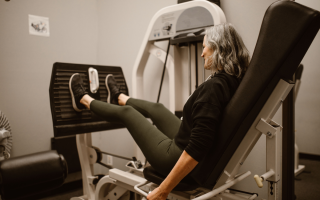
- strength training to maintain muscle and bone
- daily movement for insulin sensitivity and mood
- quality sleep (aim to support consistency and evening wind-down)
- stress management (mindfulness, breathwork, nature, hobbies)
These elements do not need to be perfect – consistency matters more than intensity.
Common misconceptions to avoid
Premenopause = “something is wrong”
It is a natural phase, not a medical condition.
Quick fixes or detoxes
Hormonal transitions benefit more from steady metabolic support than drastic diets.
Extreme low-carb or ultra-low-fat diets
Both can backfire by affecting energy, mood, and muscle retention when not individualised.
When professional guidance can help
Women with:
- irregular cycles
- very heavy bleeding
- chronic fatigue
- digestive changes
- thyroid concerns
- type 1 or type 2 diabetes
- insulin resistance
- ongoing stress
...may benefit from tailored nutrition strategies. A nutrition professional can personalise intake, prevent nutrient gaps, and support sustainable habits.
Premenopause does not need to feel like a struggle. With supportive nutrition, practical habits, and a balanced approach, many women experience this transition as an empowering phase. Nourishment is not about restriction – it’s about resilience, energy, and feeling grounded in the body as it evolves.
While the hormonal landscape becomes more dynamic, the body remains highly adaptable when given appropriate support. Tracking symptoms, mood patterns, and energy can help identify helpful dietary adjustments over time. Gentle experimentation – rather than rigid rules – tends to be the most sustainable approach. A focus on nourishment rather than restriction helps protect metabolic health during this transition.
Community and conversation also matter, as premenopause is often under-discussed despite being nearly universal. When women are informed and supported, premenopause can become a period of renewal rather than uncertainty. The goal is not to fight change, but to move with it in a way that honours long-term health and vitality.

Find the right nutritionist for you
All nutrition professionals are verified