AIP or Mediterranean diet: which is better for autoimmune health?

Having lived with autoimmune conditions since childhood and now being symptom-free for over a decade, I understand why people are willing to experiment with their diet in the hope of feeling better.
When you're experiencing hair loss, fatigue, inflammation, digestive problems or unpredictable symptoms, food can feel like one of the few things you have some control over.
But something I see increasingly in clinic is people who have become frightened of food. They may have started by removing gluten or dairy, followed by eggs, grains, legumes or nightshades, until their diet has become so restricted that I'm concerned about whether they're getting enough nourishment.
And while I understand the reasoning behind elimination diets, I think we need to ask whether removing more foods is always the answer.
Where does the Autoimmune Protocol fit in?
The Autoimmune Protocol (AIP) is a restrictive elimination diet that temporarily removes foods such as grains, legumes, dairy, eggs and nightshade vegetables, before gradually reintroducing them to help identify potential food triggers.
I'm not against the Autoimmune Protocol (AIP). In fact, I really like its emphasis on nutrient-dense foods, vegetables and quality protein, and I recognise that some people experience improvements when they temporarily remove certain foods.
However, I see AIP as a protocol rather than a diet for life. It's a tool in the toolbox that can help us explore individual food tolerance through a structured elimination and reintroduction process, ideally with professional guidance.
One of the things that particularly interests me is why someone might suddenly struggle with foods they've previously tolerated. Our immune system normally develops tolerance towards harmless food proteins, but when these regulatory processes become disrupted, inappropriate immune responses can sometimes occur. This is known as a loss of oral immune tolerance, although it's important to recognise that not all food reactions are immune-mediated.
In clinic, when someone tells me they're reacting to almost everything, I want to understand what's changed rather than automatically recommend removing more foods.
Why I keep coming back to the Mediterranean diet
When it comes to building a sustainable foundation for autoimmune health, I almost always return to the Mediterranean diet.
It has a substantial evidence base for cardiovascular and metabolic health, alongside emerging research exploring its potential benefits in autoimmune conditions, particularly rheumatoid arthritis.
What I love about Mediterranean eating is its variety. It's not about eating salads every day or avoiding animal foods, and yes, it can absolutely include meat and fish.
Extra virgin olive oil provides monounsaturated fats and polyphenols, which have been studied for their roles in oxidative stress and inflammatory signalling, while oily fish such as salmon, sardines and mackerel provide omega-3 fatty acids involved in regulating inflammatory processes.
Colourful vegetables, fruit and herbs contribute vitamins, minerals and plant compounds, while whole grains and legumes provide fibre that supports our gut microbiota and the production of short-chain fatty acids, including butyrate, which plays an important role in intestinal health.
I also include foods such as lamb, which provides protein, bioavailable iron, zinc and vitamin B12, nutrients involved in immune function, energy metabolism and tissue maintenance. The emphasis is on balance, with red meat generally eaten less frequently than fish and plant-based proteins.
Are we overlooking undernourishment?
One of my biggest concerns with restrictive eating is undernourishment, particularly in people already living with chronic illness.
Someone can eat what they consider an incredibly healthy diet but still not get enough protein, energy, essential fatty acids, or micronutrients to support their body's needs.
And undernourishment doesn't necessarily mean being underweight. When someone is experiencing fatigue, muscle weakness, hair loss or poor recovery, I want to understand not only what they're eating but whether their diet is providing sufficient nourishment.
Sometimes the most helpful change isn't removing another food. It's making sure they're eating enough.
What might a Mediterranean-style day look like?
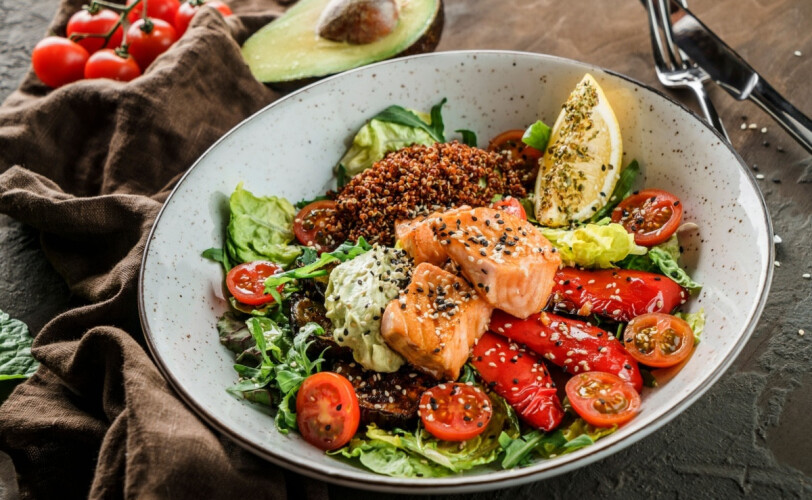
Breakfast could be eggs with sautéed tomatoes and spinach, a slice of sourdough bread, and a small green juice, providing protein, healthy fats, and a variety of vitamins and minerals, followed by lunch of salmon with quinoa, roasted vegetables, and an extra virgin olive oil dressing.
For dinner, perhaps slow-cooked lamb with garlic and rosemary, served with leafy greens and lentils or brown rice, with fruit, nuts or hummus and vegetables as snacks. Of course, this would be adapted for individual requirements, whether that's coeliac disease, food allergies or digestive difficulties.
I believe nutrition should help people feel more confident about food, not increasingly restricted by it. AIP may have a place when used thoughtfully, but for long-term health, I keep returning to the variety, nourishment and flexibility of Mediterranean eating.
I think we need to spend less time focusing on what we should be removing from our diets and more time understanding what our bodies need to stay well nourished, particularly when living with an autoimmune condition.
References
Konijeti GG et al. (2017). Efficacy of the Autoimmune Protocol Diet for Inflammatory Bowel Disease. Inflammatory Bowel Diseases.
Abbott RD et al. (2019). Efficacy of the Autoimmune Protocol Diet as Part of a Multi-disciplinary, Supported Lifestyle Intervention for Hashimoto's Thyroiditis. Cureus.
Raad T et al. (2024). Effects of a telehealth-delivered Mediterranean diet intervention in adults with rheumatoid arthritis. BMC Musculoskeletal Disorders.
Hu P et al. (2025). Mediterranean diet and rheumatoid arthritis: A nine-year cohort study and systematic review with meta-analysis. European Journal of Clinical Nutrition.

Find the right nutritionist for you
All nutrition professionals are verified