
Rethinking the weight loss equation

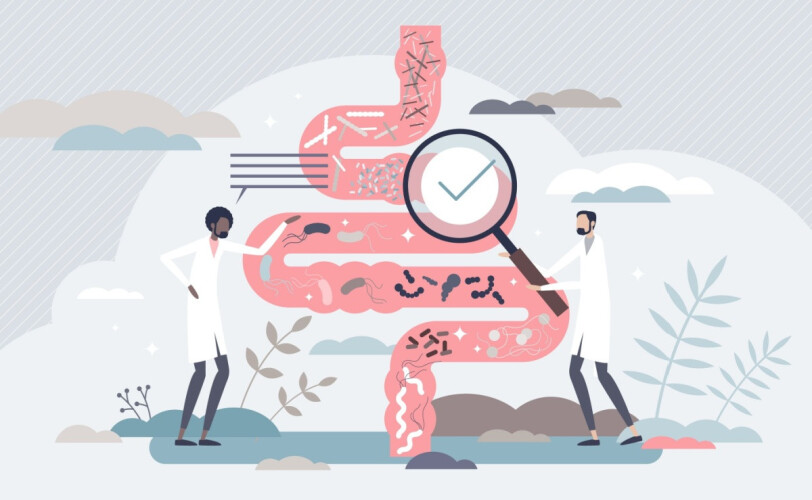
I recently went to a fascinating weight loss conference on the following areas.
Some of the topics covered included:
- How to navigate the effects of the very popular weight loss injections.
- Optimising the microbiome for appetite regulation.
- Weight control enzymes.
As a gut health specialist, I was particularly interested in how the microbiome can drive weight gain, inflammation and insulin resistance and how targeting gut health through nutrition, prebiotics, and probiotics can help balance appetite-regulating hormones like GLP-1 and GIP in a supportive way.
Why weight loss often doesn’t work
Popular interventions – such as ketogenic diets and intermittent fasting – can sometimes work brilliantly, but many only offer short-term results. Furthermore, they may not suit everyone or be difficult to maintain long-term. And while medications like GLP-1 agonists (e.g. Ozempic or Wegovy) have been shown to have great results, many people put back on a lot of the weight within a year of stopping treatment (although you may be one of the 12% or so who don’t). What’s more concerning is that there is emerging evidence that these medications may lead to muscle loss, nutrient deficiencies, and other long-term side effects in some individuals.
The microbiome’s role in body composition
As you may know, your gut is home to trillions of microbes that influence how your body stores fat, manages appetite, and regulates metabolism. And interestingly, excess weight is associated with low microbial diversity, systemic inflammation, and increased energy extraction from food.
What this means is that in an overweight individual, an "obese" microbiome is more efficient at extracting calories, so two people could eat the same meal and absorb different amounts of energy. This contributes to fat accumulation, especially around the abdomen.
In addition, the gut microbiome also affects:
- Appetite regulation by stimulating satiety hormones like GLP-1.
- Fat storage by influencing the activity of key proteins.
- Hormonal balance, particularly leptin, insulin, and ghrelin.
- Dopaminergic signalling, impacting food cravings and satiety via the gut-brain axis.
Did you know that your gut also houses four major glucose-balancing hormones?
Our gut is not just involved in digestion – it’s also a powerful endocrine organ. Several gut-derived hormones play pivotal roles in glucose regulation, appetite, and fat storage:
- GLP-1 (Glucagon-Like Peptide-1): This stimulates insulin secretion, enhances insulin gene expression, and protects pancreatic β-cells. GLP-1 also slows gastric emptying and promotes satiety (which is why this can cause problems in some individuals).
- Leptin: This hormone is secreted by fat cells and tells the brain we’re full and regulates long-term energy balance. In obesity, leptin levels are often high, but the brain may become resistant to its effects.
- Ghrelin: This is often called the “hunger hormone” as it is produced in the stomach and drives appetite. It also affects glucose metabolism and fat storage.
- Insulin: Insulin is probably the one you will have heard most of and is produced by the pancreas, and allows cells to absorb glucose for energy. When insulin is dysfunctional or you have insulin resistance or have excess glucose from your diet, it is stored as fat.
The interesting fact is that some gut microbes directly influence the activity and sensitivity of these hormones. For example, a gut dysbiosis can reduce GLP-1 secretion, impair insulin signalling, and disrupt the delicate balance of hunger and fullness.
Together, these interactions create a cycle where inflammation, microbial imbalance, and hormonal dysfunction reinforce one another, making long-term weight regulation more difficult.
SCFAs and brain health and function
Short-chain fatty acids (SCFAs), such as butyrate, acetate, and propionate, are microbial byproducts of fibre fermentation – vital for brain function as well as gut health.
SCFAs are also important for appetite and well-being in the following way. They:
- Support the integrity of the blood-brain barrier (BBB), reducing permeability and inflammation.
- Help regulate key brain chemicals like dopamine, serotonin, and GABA, which impact mood, motivation, and appetite regulation.
Dysbiosis, inflammation, and metabolic endotoxemia
When the gut becomes imbalanced – a condition known as dysbiosis – it compromises the gut lining. This allows bacterial toxins like LPS (lipopolysaccharide) to enter circulation, triggering chronic low-grade inflammation and metabolic disruption. This phenomenon, called metabolic endotoxemia, is a hidden driver of obesity and insulin resistance.
Supporting the gut for weight regulation
As a result of the above, restoring your microbiome health can be a powerful strategy for helping to manage weight and metabolic health. Key interventions include:
- Dietary changes: By prioritising prebiotic fibres and reducing blood sugar spikes.
- Targeted supplements: Some probiotics and prebiotics can help support beneficial gut microbiome species and function.
- Strength training: As it helps to preserve lean mass and enriches microbial diversity.
- Sleep and stress management: Both significantly affect the gut-brain axis.
- Metabolic support nutrients: Including nutrients like magnesium, vitamin D, iodine, and omega-3s (which you should ideally have tested to see if you are obtaining enough)
If you’ve been struggling with weight despite doing “everything right” or feeling that you’ve tried “everything”, it may be time to take a deeper look at your gut health. Reach out to a nutritional professional to start your journey.

Find the right nutritionist for you
All nutrition professionals are verified