Anchovies: The fish you should eat more

Anchovies are an ingredient often misunderstood in the UK. Yet, they have an impressive nutrient content and offer unique health benefits that make them well worth including in recipes – like the salad below.
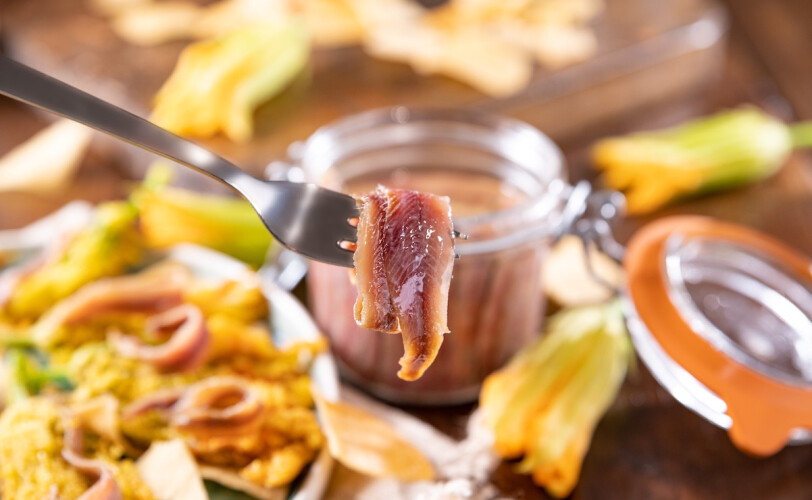
Beyond their savoury, umami depth, anchovies provide a highly bioavailable source of marine omega‑3 fatty acids (EPA and DHA), which are critical for cardiovascular, cognitive, and inflammatory balance. Unlike plant omega‑3s, these forms are immediately usable by the body and have been shown in research to:
- lower triglycerides and reduce blood pressure
- support vascular elasticity
- improve brain signalling pathways
Because they are small, fast-growing fish low on the food chain, anchovies naturally have minimal mercury or heavy‑metal accumulation compared to larger fish species. Anchovies are an excellent choice for your weekly meal plan as they are a great source of protein – about 4g per fillet – and provide essential micronutrients including calcium, phosphorus, selenium, iron, and vitamin D.
The calcium in anchovies comes from their soft, edible bones, giving them an edge over other fish in supporting bone mineral density alongside chard’s abundance of vitamin K. The selenium content plays a role in antioxidant defence and thyroid hormone production. At the same time, vitamin D synergises with calcium for bone and immune health.
Anchovies also contribute the amino acid taurine, which is involved in bile salt formation, antioxidation, and the regulation of calcium signalling in the cardiovascular system. Combined with the polyphenols from extra virgin olive oil and balsamic vinegar, the anti‑inflammatory effect is amplified – protecting endothelial cells from oxidative stress and supporting heart rhythm stability.
Anchovies in cooking
Culinarily, anchovies offer a natural seasoning effect due to their concentrated umami profile, meaning you can reduce added salt in the dressing without sacrificing flavour. This is beneficial for blood pressure regulation, especially in people monitoring their sodium intake. When paired with buttery avocado and fibre‑rich butter beans, the healthy fats from anchovies integrate into the meal to improve absorption of fat‑soluble vitamins such as A, D, E, and K.
In the salad below, anchovies enhance the nutritional content of all of the other ingredients: the leafy rainbow chard, which offers magnesium and antioxidants, the tomatoes, which supply lycopene for antioxidant protection, the avocado, which provides monounsaturated fat for lipid balance, and the butter beans, which deliver sustained energy via complex carbohydrates and plant protein.
The anchovies tie everything together, elevating the dish from a vegetable‑bean salad into a comprehensive meal that supports cardiovascular resilience, brain clarity, gut microbiome diversity, and long‑term metabolic health.
For those hesitant about anchovies’ flavour, mashing them into the dressing creates a subtle background savouriness rather than an overt “fishy” taste. It’s a gateway to appreciating one of the most nutrient‑dense, sustainable seafood choices available – they may be small in size, but they are huge in nutritional benefit.
Anchovy nutritional breakdown (per 100g)
- Calories: 131 kcal
- Protein: 20.4g
- Fat: 4.8g
- Saturated fat: 1.3g
- Monounsaturated fat: 1.2g
- Polyunsaturated fat: 1.6g
- Carbohydrate: 0g
- Cholesterol: 60mg
- Fibre: 0g
- Omega-3 fatty acids (per 100g):
- DHA: ~0.91g
- EPA: ~0.54g
- Combined EPA/DHA: 1.4-1.6g
A standard small tin (about 45g drained) provides about 0.7g omega-3 EPA/DHA total per serving – higher than an equivalent portion of salmon.
Key micronutrients
- Calcium: 147mg (15% RDA) – higher than most fish due to their edible bones.
- Iron: 3.3mg (41% RDA) – supports oxygen transport and immunity.
- Selenium: 36.5-37µg (about 66% RDA) – potent antioxidant, aids thyroid function.
- Potassium: 383mg (11% RDA) – benefits cardiac function and muscle health.
- Phosphorus: 174mg (25% RDA) – essential for bones and energy production.
- Zinc: 1.7mg (16% RDA).
- Vitamin B12: 0.62µg (26% RDA) – vital for nerve and blood health.
- Vitamin B3 (Niacin): 14mg (88% RDA) – supports energy metabolism.
- Vitamin D: Trace amounts: up to 0.77µg (varies by processing).
Favourite family recipe: Rainbow chard, butter bean, anchovy and avocado salad
Ingredients
- 2 big handfuls finely chopped rainbow chard (as fresh as possible)
- 1 avocado, diced
- 10 cherry tomatoes, sliced in half
- ½ cucumber, diced
- 1 can butter beans (drained and rinsed)
For the dressing:
- 2 small tins anchovies
- 2 tbsp balsamic vinegar
- 1 tbsp extra virgin olive oil
- 1 finely chopped garlic clove
Method
- Chop rainbow chard, avocado, tomatoes, and cucumber into bite-sized pieces.
- Combine chopped vegetables and butter beans in a bowl.
- For the dressing, mash anchovies and mix with balsamic vinegar, extra virgin olive oil, and finely chopped garlic.
- Mix the salad with the dressing and serve immediately.
Recipe nutritional breakdown
Macronutrients (per portion – half the total recipe):
- Calories: 403 kcal
- Protein: 20g
- Carbohydrates: 33g
- Fibre: 16g
- Fat: 21g
- Omega-3 (EPA/DHA): 0.75-1g (from anchovies)
Micronutrient highlights:
- Vitamin K: High (chard, avocado, cucumber)
- Vitamin C: Moderate (chard, tomato, cucumber)
- Vitamin A: From chard, tomato
- Potassium: High (beans, avocado, tomatoes)
- Iron and magnesium: Beans, chard, avocado
- Omega-3: A Good source from anchovies
Health benefits of the ingredients
- Rainbow chard: Exceptional source of vitamin K (essential for bone health and blood clotting), vitamin A, vitamin C, polyphenols, magnesium, potassium, and iron; packed with fibre and antioxidants to support gut health, blood pressure, immunity, heart and eye health, and reduce inflammation.
- Avocado: Rich in healthy fats (mainly monounsaturated), vitamin E, potassium and fibre; supports heart health, hormone balance, and skin health.
- Tomatoes: High in vitamin C, potassium, lycopene (a potent antioxidant), and fibre; benefits heart health and may reduce cancer risk.
- Cucumber: Hydrating and low in calories, cucumber provides vitamin K, magnesium, and antioxidants; supports hydration and digestive comfort.
- Butter beans: Excellent plant protein and fibre source, plus iron, potassium, and folate; benefits blood sugar regulation, muscle repair and keeps you full longer.
- Anchovies (in dressing): Supplies protein and omega-3 fatty acids (DHA/EPA) that are anti-inflammatory, heart-protective, and support brain function.
- Extra virgin olive oil: Delivers monounsaturated fats and polyphenols shown to protect against heart disease and inflammation.
- Garlic: Offers sulphur compounds with antimicrobial, immune-supporting, and anti-inflammatory effects.
- Balsamic vinegar: Contains antioxidants and polyphenols, beneficial for blood sugar and digestion.
Nutritional highlights
- High in protein and fibre from butter beans, chard, and avocado.
- Rich in omega-3 (anchovies), supporting heart, brain and anti-inflammatory functions.
- Antioxidant-dense with a mix of vitamins and minerals from fresh vegetables.
All in all, this salad is ideal for gut health, metabolic balance, and sustained energy, providing a great mix of nutrients to support immunity, digestion, and overall well-being.

Find the right nutritionist for you
All nutrition professionals are verified