Not losing weight on GLP-1 medication? 5 things to consider

Weight-loss medications have changed the conversation around obesity management. For many people, the most noticeable change is reduced hunger, which makes it easier to eat smaller portions and feel satisfied.
But what happens when the scales stop moving, progress is slower than expected, or you're losing weight but don't feel particularly well? There are several possible explanations, and nutrition is an important part of the picture.
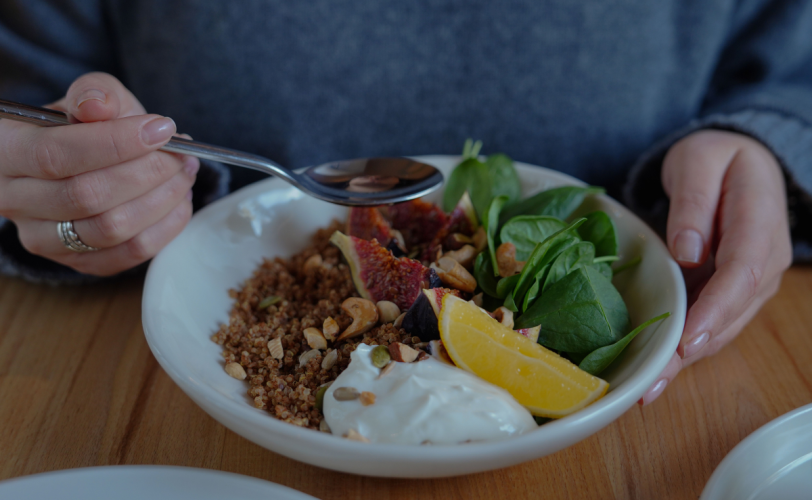
GLP-1-based medications influence appetite and food intake, but they don't automatically ensure that your diet contains everything your body needs. Equally, a disappointing result doesn't necessarily mean you're doing anything wrong.
If you're using prescribed weight-management medication, here are five areas worth reviewing with your healthcare team.
1. Are you eating enough of the right foods?
When appetite falls, it's natural to eat less. For some people, this means smaller versions of their usual balanced meals. For others, eating becomes irregular, with meals skipped and whatever feels easiest taking priority.
The problem is that nutritional requirements don't fall in proportion to appetite. Protein, essential fats, vitamins, minerals and fibre remain important, even when you're consuming considerably less food.
A 2025 joint advisory from four major nutrition and obesity organisations highlighted the importance of preventing nutritional inadequacies during GLP-1 treatment, particularly when food intake becomes substantially reduced [1].
Start by looking at the overall quality of your diet. Are you including a source of protein at most meals? Are you eating vegetables, fruit and fibre-rich carbohydrates regularly? Are you getting enough calcium, iron and other essential nutrients?
A useful approach is to build smaller, nutritionally substantial meals rather than relying on snacks that provide relatively little nutrition. For example, Greek yoghurt with berries, oats and seeds provides protein, fibre and several micronutrients. A small chicken and vegetable rice bowl can be a more complete meal than a few crackers eaten because nothing else appeals.
If your appetite is so low that you regularly struggle to eat adequate meals, discuss this with your prescriber rather than continuing to restrict your intake.
2. Could you be losing muscle alongside body fat?
Weight loss is usually measured in kilograms, but the number on the scales doesn't tell us what kind of tissue has been lost.
During weight reduction, some loss of lean tissue is common. Lean mass includes muscle but also water, organs and other non-fat tissue, so changes in lean mass cannot automatically be interpreted as muscle loss. A body-composition analysis from the SURMOUNT-1 trial found that approximately 75% of the weight lost with tirzepatide was fat mass, while around 25% was lean mass [2].
That doesn't mean everyone will experience the same changes. It does highlight why preserving muscle strength and function deserves attention. Muscle supports mobility, physical independence and metabolic health. Losing unnecessary muscle can make everyday activities harder and may complicate longer-term weight management.
Two practical strategies are particularly important here:
Eating adequate protein
Eggs, fish, poultry, dairy foods, tofu, tempeh, beans and lentils can all contribute. Protein requirements vary with body size, age, activity and health status, so a personalised target is more useful than assuming everyone needs the same amount.
Including resistance exercise
This could mean weight training, resistance bands or appropriately challenging bodyweight exercises. Aim to train major muscle groups at least twice weekly, building gradually according to your ability.
Protein and strength training work together. Simply increasing protein without using your muscles is unlikely to provide the same benefit.
3. Are digestive symptoms affecting what you eat?
Nausea, constipation, reflux and uncomfortable fullness can make eating difficult during GLP-1 treatment for some people. Sometimes people avoid entire food groups because they associate certain meals with discomfort. Over time, their diet can become unnecessarily restricted.
It is worth considering whether your symptoms are related to portion size, meal composition, eating speed or medication effects. If large meals feel uncomfortable, smaller meals may be easier to manage. Eating slowly and avoiding lying down immediately after food may also help.
For constipation, review fluid intake, physical activity and the amount and type of fibre you're eating. Oats, kiwi fruit, ground flaxseed and suitable portions of vegetables can be useful additions. However, increasing fibre too quickly, particularly when you're already bloated, may make symptoms worse.
The aim is to improve dietary variety gradually while maintaining comfort. Persistent vomiting, severe abdominal pain, dehydration or an inability to eat and drink adequately requires prompt medical assessment. Medication-related symptoms should also be discussed with the prescribing clinician.
4. Are you judging progress by the scales alone?
Body weight naturally fluctuates. Changes in hydration, bowel movements, salt intake and the menstrual cycle can all affect the number displayed on the scales. Constipation, for example, may temporarily increase weight without representing an increase in body fat.
It is therefore more useful to look at trends over several weeks than to interpret every individual measurement. You might also consider changes in waist circumference, physical fitness, strength, energy and relevant health markers. A person whose weight is changing slowly but whose waist measurement is reducing and strength is improving may still be making meaningful progress.
However, it's important to distinguish ordinary fluctuations from a sustained lack of response. NICE recommends reviewing treatment with the prescribing clinician if less than 5% of initial body weight has been lost after six months on the highest tolerated dose of tirzepatide, taking account of the individual's circumstances [3].
Medication dose, duration, adherence and other health factors all matter. Decisions about prescribing should remain with your medical team.
5. Is your current approach sustainable?
Weight management doesn't end when a particular number appears on the scales. One of the most important questions is whether your current eating and activity patterns are realistic for the longer term.
If your diet depends on skipping meals, avoiding social occasions or eating only a handful of foods, maintaining those habits may become increasingly difficult.
Think about what your routine will look like in six months or a year. Do you have a selection of balanced meals you enjoy? Are you physically active in ways that fit your life? Can you manage meals when you're busy, travelling or eating with family?
NICE recommends flexible, individualised dietary approaches that account for food preferences, personal circumstances and long-term maintenance [4]. This matters particularly because weight regain can occur following discontinuation of weight-management medication. Planning for ongoing nutrition, activity and behavioural support is therefore important.
What might a balanced day of eating look like?
No single meal plan suits everyone, particularly when appetite, medication tolerance, and nutritional requirements vary. However, the following combinations demonstrate how smaller meals can still provide useful nutrition.
- Breakfast: Greek yoghurt or fortified soya yoghurt with oats, berries and ground flaxseed.
- Lunch: A small wholegrain wrap with chicken, hummus and salad, or a tofu and rice bowl with cooked vegetables.
- Dinner: Baked salmon with potatoes and green vegetables, or a lentil-based pasta sauce with a little grated cheese.
- Optional snack: Cottage cheese with fruit, a boiled egg, or a small smoothie made with milk or fortified soya drink.
Portions should be adjusted to appetite, nutritional requirements and individual tolerance. People with particular medical conditions may need more tailored advice.
If you're struggling with very low appetite, it can help to identify a few reliable, nutrient-dense meals that require minimal preparation.
When is additional nutritional support useful?
There is considerable variation in how people respond to weight-management medication. Some need help managing gastrointestinal symptoms. Others are concerned about maintaining muscle, improving dietary quality or establishing a routine they can sustain.
A detailed nutritional assessment can help identify where changes may be useful, taking account of medical history, current food intake, activity and personal preferences. Where appropriate, a nutritional therapist can work alongside the prescribing clinician to provide practical dietary guidance, meal planning and ongoing support.
The most useful changes are often relatively small: improving the protein content of breakfast, making lunch more substantial, introducing regular strength training or finding ways to eat a wider variety of foods comfortably.
Ultimately, successful weight management involves more than the amount of weight lost. Maintaining nutritional adequacy, physical function and a healthy relationship with food deserves equal attention.
References
Mozaffarian D, et al. (2025). Nutritional priorities to support GLP-1 therapy for obesity: A joint advisory. American Journal of Clinical Nutrition, 122(1), 344–367. https://doi.org/10.1016/j.ajcnut.2025.04.023
Look M, et al. (2025). Body composition changes during weight reduction with tirzepatide in the SURMOUNT-1 study of adults with obesity or overweight.
Diabetes, Obesity and Metabolism, 27(5), 2720–2729. https://doi.org/10.1111/dom.16275
National Institute for Health and Care Excellence (2026). A guide for prescribing medicines to manage overweight and obesity: Prescribing, reviewing and stopping tirzepatide. https://www.nice.org.uk/guidance/ng246
National Institute for Health and Care Excellence (2025). Overweight and obesity management (NG246): Physical activity and diet. https://www.nice.org.uk/guidance/ng246/chapter/Physical-activity-and-diet

Find the right nutritionist for you
All nutrition professionals are verified